When the Shelf Is Empty: How Canadian Patients Can Stay Ahead of Prescription Drug Shortages
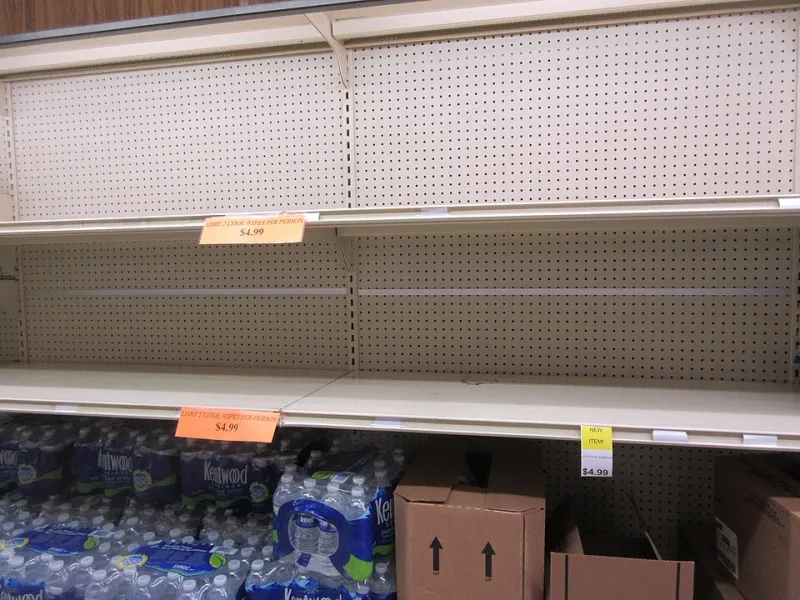
Photo: Infrogmation of New Orleans, CC BY-SA 4.0, via Wikimedia Commons
For many Canadians, picking up a prescription is a routine errand. But over the past several years, that routine has been interrupted with growing frequency. Pharmacies across the country have faced empty shelves for medications ranging from common antibiotics to critical cardiac drugs—leaving patients scrambling and healthcare providers searching for alternatives. Understanding the landscape of drug shortages in Canada is no longer just useful knowledge; for many patients, it has become essential.
Why Do Drug Shortages Happen in Canada?
The causes of prescription drug shortages are rarely simple, and they seldom stem from a single point of failure. Canada's pharmaceutical supply chain is deeply interconnected with global manufacturing networks, and disruptions anywhere along that chain can ripple quickly into Canadian pharmacies.
Manufacturing and quality control issues are among the most common culprits. A significant proportion of the active pharmaceutical ingredients used in medications sold in Canada are produced in a small number of facilities—many located in India and China. When a manufacturing site fails a regulatory inspection, is shut down for safety concerns, or experiences a production disruption, the downstream effects can be severe and long-lasting.
Regulatory and approval delays also play a role. Health Canada oversees the approval of all drugs sold domestically, and while this oversight is essential for patient safety, it can slow the introduction of alternative suppliers or substitute products when a shortage emerges. The regulatory pathway for approving a new manufacturer or a generic substitute takes time—time that patients in urgent need do not always have.
Demand surges can overwhelm even a well-functioning supply chain. The 2022–2023 shortage of children's pain relievers and fever reducers was a stark reminder of how quickly consumer demand can outpace production capacity, particularly during periods of elevated illness.
Distribution and logistics factors, including transportation bottlenecks and wholesaler inventory practices, can further compress the availability of medications at the pharmacy level—even when supply exists somewhere in the system.
How to Know If Your Medication Is Affected
Health Canada maintains a publicly accessible database called the Drug Shortages Canada website (drugshortagescanada.ca), which catalogues current and resolved shortages reported by manufacturers. Patients and caregivers can search by drug name, active ingredient, or therapeutic class to determine whether a specific product is affected and to review the anticipated resolution date.
Additionally, provincial drug benefit programmes and regulatory colleges may issue their own advisories. Subscribing to updates from your provincial health authority is a practical first step for anyone managing a chronic condition.
At CanadaRx Direct, our licensed pharmacists monitor shortage alerts on an ongoing basis. When a product you rely on is flagged, our team proactively reaches out to discuss your options—because we believe informed patients are better-positioned patients.
Working With Your Pharmacist to Find Alternatives
Your pharmacist is your most immediate and knowledgeable resource during a shortage. Pharmacists in Canada are trained to identify therapeutically equivalent alternatives, adjust formulations, or compound medications when appropriate and legally permitted. Here is how to make the most of that expertise:
- Initiate the conversation early. If you hear about a shortage affecting your drug class, contact your pharmacy before you run out. Acting with several weeks of supply remaining gives your pharmacist and prescriber time to explore options without urgency.
- Ask about generic equivalents. In some cases, a brand-name product may be unavailable while a generic version—or vice versa—remains in stock. Your pharmacist can advise on bioequivalence and whether a switch is appropriate.
- Discuss therapeutic substitutions with your prescriber. Some medications within the same drug class can be substituted with a prescriber's approval. Your pharmacist can facilitate this communication and explain any differences in dosing or monitoring requirements.
- Explore compounding pharmacy options. For certain medications, a licensed compounding pharmacy may be able to prepare a customised formulation. This is not appropriate for every drug, but it is a legitimate option worth exploring for some patients.
When Is It Appropriate to Stock Up?
The instinct to stockpile medications during a shortage is understandable, but it requires careful consideration. Excessive stockpiling by individual patients can worsen shortages for others who may be in more critical need.
That said, maintaining a reasonable supply buffer—typically 30 to 90 days depending on your medication—is a prudent practice for anyone managing a chronic condition, provided your prescriber and insurance plan permit it. Speak with your pharmacist about what constitutes a responsible supply for your specific circumstances.
For patients whose medications require refrigeration, careful storage and rotation of supply is essential. Your pharmacist can provide guidance on proper storage conditions to ensure that any additional supply you maintain retains its efficacy.
Resources Canadian Patients Should Bookmark
- Drug Shortages Canada (drugshortagescanada.ca) — the national shortage reporting database maintained by Health Canada
- Your provincial drug benefit programme — many provinces maintain their own shortage advisories and may offer special authorisation for early refills during declared shortages
- The Canadian Pharmacists Association (pharmacists.ca) — offers patient-facing resources and updates on national pharmacy issues
- CanadaRx Direct's pharmacist consultation service — our team is available to help you navigate shortages, identify alternatives, and coordinate with your prescriber
Planning Ahead: A Practical Checklist
While no patient should have to manage their healthcare like a supply chain analyst, a few proactive habits can significantly reduce your vulnerability to shortages:
- Keep a current medication list, including the generic name, strength, and manufacturer of each prescription you take.
- Refill prescriptions before you run out—ideally when you have 10 to 14 days of supply remaining.
- Establish a relationship with a consistent pharmacy so that your pharmacist knows your medication history and can act quickly on your behalf.
- Communicate any upcoming travel to your pharmacist well in advance, as crossing provincial or international borders may complicate access to your medications.
- Review your drug coverage to understand whether your plan allows for early refills or emergency supplies.
A Note on CanadaRx Direct's Approach
At CanadaRx Direct, we recognise that medication shortages are not an abstract policy problem—they are a source of real stress and potential harm for Canadian patients. Our licensed pharmacists work diligently to source medications from reliable domestic suppliers, maintain transparent communication when products are affected, and provide timely consultations to help patients navigate uncertainty with confidence.
If you are concerned about the availability of a medication you currently take, we encourage you to reach out to our pharmacy team directly. Preparedness begins with a conversation, and we are here to have it.