Dangerous Combinations: The Medication Interactions Your Pharmacist Wants You to Know About
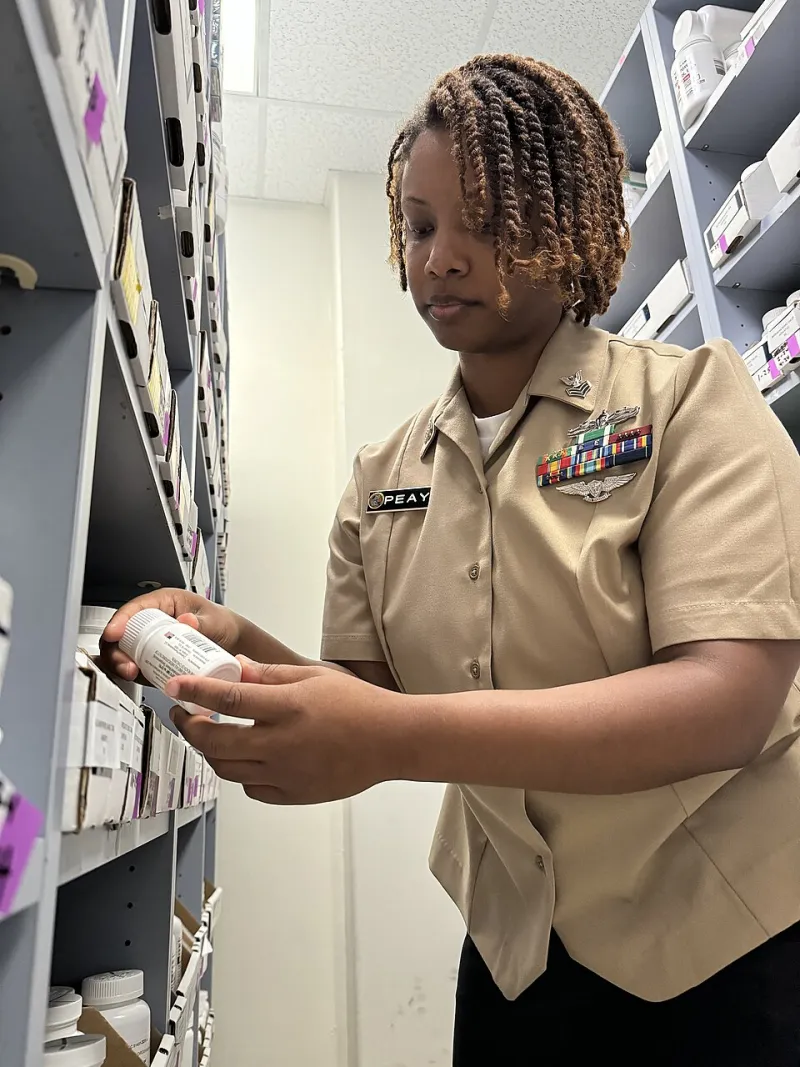
Photo: U.S. Navy NMRTC by Emily McCamy, Public domain, via Wikimedia Commons
It is a scenario that plays out thousands of times a day across Canada. A patient picks up a new prescription, stops at the grocery store for some grapefruit, and takes an over-the-counter sleep aid before bed—unaware that two or more of those choices may be working against each other in ways that range from mildly inconvenient to genuinely dangerous.
Drug interactions are one of the most underappreciated risks in everyday healthcare. They do not always announce themselves with dramatic symptoms. Sometimes the consequence is a medication working less effectively than it should. Other times, the result is a serious adverse event that lands a patient in the emergency department. The challenge is that many of the most significant interactions involve products that patients consider harmless: vitamins, herbal remedies, foods, and medications available without a prescription.
The pharmacists at CanadaRx Direct work with patients across Canada every day, and certain interaction risks come up repeatedly. What follows is a guide to the combinations that concern us most—and the warning signs worth watching for.
1. Warfarin and Almost Everything
Warfarin (sold under the brand name Coumadin) is a blood thinner prescribed to prevent clots and strokes. It is also one of the most interaction-prone medications in existence.
The list of substances that can alter warfarin's effectiveness is remarkably long:
- Vitamin K-rich foods (kale, spinach, broccoli, Brussels sprouts) can reduce warfarin's anticoagulant effect, potentially increasing clot risk
- Aspirin and NSAIDs (ibuprofen, naproxen) increase bleeding risk when combined with warfarin
- St. John's Wort, a widely used herbal supplement for low mood, significantly reduces warfarin levels in the blood
- Antibiotics—including common ones like metronidazole and fluconazole—can dramatically increase warfarin's potency
- Acetaminophen (Tylenol), even at standard doses taken regularly, can enhance warfarin's blood-thinning effect
Patients on warfarin require regular INR monitoring precisely because so many factors influence their levels. Any change to diet, supplements, or other medications should be discussed with a pharmacist or prescriber immediately.
2. SSRIs and Over-the-Counter Pain Relievers
Selective serotonin reuptake inhibitors—SSRIs such as sertraline, fluoxetine, and escitalopram—are among the most commonly prescribed medications in Canada, used primarily to treat depression and anxiety disorders. What many patients do not know is that combining SSRIs with NSAIDs like ibuprofen or naproxen meaningfully increases the risk of gastrointestinal bleeding.
Both drug classes independently affect platelet function. Together, the effect is compounded. For patients who take an SSRI regularly and reach for ibuprofen when a headache strikes, this is a risk worth discussing with a pharmacist. Acetaminophen is generally considered a safer alternative for pain relief in this context, though it is not without its own considerations.
Serotonin syndrome—a potentially life-threatening condition caused by excessive serotonin activity—is another serious concern. It can occur when SSRIs are combined with:
- Tramadol (a prescription pain medication)
- Certain migraine medications (triptans such as sumatriptan)
- St. John's Wort
- Some cough medications containing dextromethorphan
Symptoms of serotonin syndrome include agitation, rapid heart rate, high blood pressure, dilated pupils, and muscle twitching. If these signs appear after starting or changing a medication, seek medical attention promptly.
3. Statins and Grapefruit
This interaction surprises many patients, but it is well-established and clinically significant. Grapefruit—as well as Seville oranges and certain other citrus products—contains compounds that inhibit an enzyme in the gut responsible for metabolising several medications, including a number of commonly prescribed statins.
When this enzyme is blocked, statin levels in the bloodstream can rise substantially. For medications like atorvastatin (Lipitor) and simvastatin, elevated blood levels increase the risk of muscle damage, a condition known as myopathy, which in severe cases can progress to rhabdomyolysis—a serious breakdown of muscle tissue that can damage the kidneys.
Not all statins are affected equally. Pravastatin and rosuvastatin are metabolised through different pathways and are generally considered safer choices for patients who do not wish to modify their diet. Speak with your pharmacist about which statin you are taking and whether grapefruit consumption is a concern.
4. Blood Pressure Medications and Potassium Supplements
ACE inhibitors (such as ramipril and lisinopril) and angiotensin receptor blockers (ARBs) are widely used to manage hypertension. Both classes of medication cause the body to retain potassium. When patients independently add a potassium supplement—or consume large amounts of potassium-rich salt substitutes—the resulting elevation in blood potassium levels (hyperkalemia) can trigger dangerous cardiac arrhythmias.
This interaction is especially relevant for older Canadians, who are more likely to be taking blood pressure medications and more likely to have heard that potassium is beneficial for heart health. It is—but only within appropriate ranges. Always inform your pharmacist before adding any mineral supplement to your regimen.
5. Benzodiazepines, Opioids, and Alcohol
This combination represents one of the most serious drug interaction risks in Canada, and it is closely associated with the country's ongoing overdose crisis. Benzodiazepines (including lorazepam, clonazepam, and diazepam) and opioid pain medications both depress the central nervous system. When taken together—or when either is combined with alcohol—the additive effect on breathing can be fatal.
Health Canada has issued formal advisories about the co-prescribing of opioids and benzodiazepines, and prescribers are increasingly cautious about this combination. Patients who are prescribed both should ensure that all of their prescribers and their pharmacist are aware of the full picture of their medications.
Alcohol interacts problematically with many other medications as well, including:
- Metformin (used for type 2 diabetes)
- Metronidazole (an antibiotic)
- Certain antihistamines
- Muscle relaxants
When in doubt, ask your pharmacist before consuming alcohol while on any prescription medication.
6. Herbal Supplements: A Category Worth Scrutinising
Natural health products are not inherently safe simply because they are derived from plants. Several widely used supplements carry meaningful interaction risks:
- St. John's Wort interacts with a broad range of medications, including antidepressants, oral contraceptives, HIV medications, and cyclosporine (used in transplant patients)
- Ginkgo biloba can increase bleeding risk, particularly when combined with blood thinners or aspirin
- Echinacea may interfere with immunosuppressive medications
- High-dose fish oil can enhance the effects of anticoagulants
Because natural health products in Canada are regulated differently from prescription drugs, patients often assume they are safe to take without consultation. This assumption can be costly.
What to Do With This Information
The goal of this guide is not to create anxiety about every pill or supplement you take. The vast majority of medication combinations are safe, and your healthcare team is there to help you navigate the exceptions. The key habits that reduce your risk are straightforward:
- Maintain a complete and current medication list, including all prescriptions, over-the-counter products, vitamins, and herbal supplements
- Share this list with every healthcare provider you see, including your dentist and any walk-in clinic physicians
- Ask your pharmacist before adding anything new to your regimen—this is precisely the kind of consultation our team at CanadaRx Direct is available to provide
- Do not discontinue a prescribed medication without speaking to your prescriber, even if you are concerned about an interaction
At CanadaRx Direct, our licensed pharmacists conduct thorough medication reviews and are available to answer interaction questions as part of our commitment to safe, informed care. If something in this article has raised a question about your own medications, we encourage you to reach out. The conversation could matter more than you realise.